The Ultimate Everest 3 Passes Trek


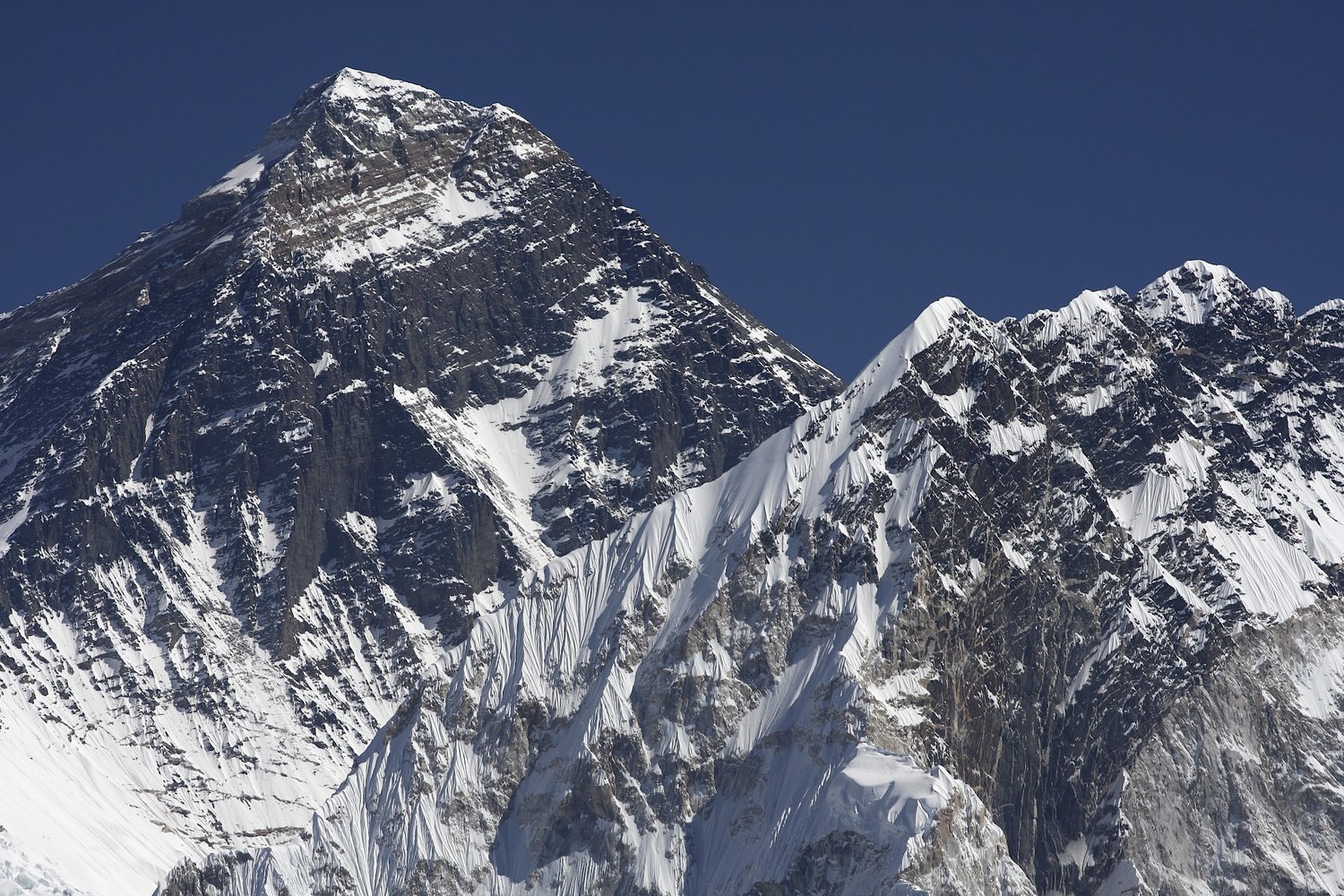
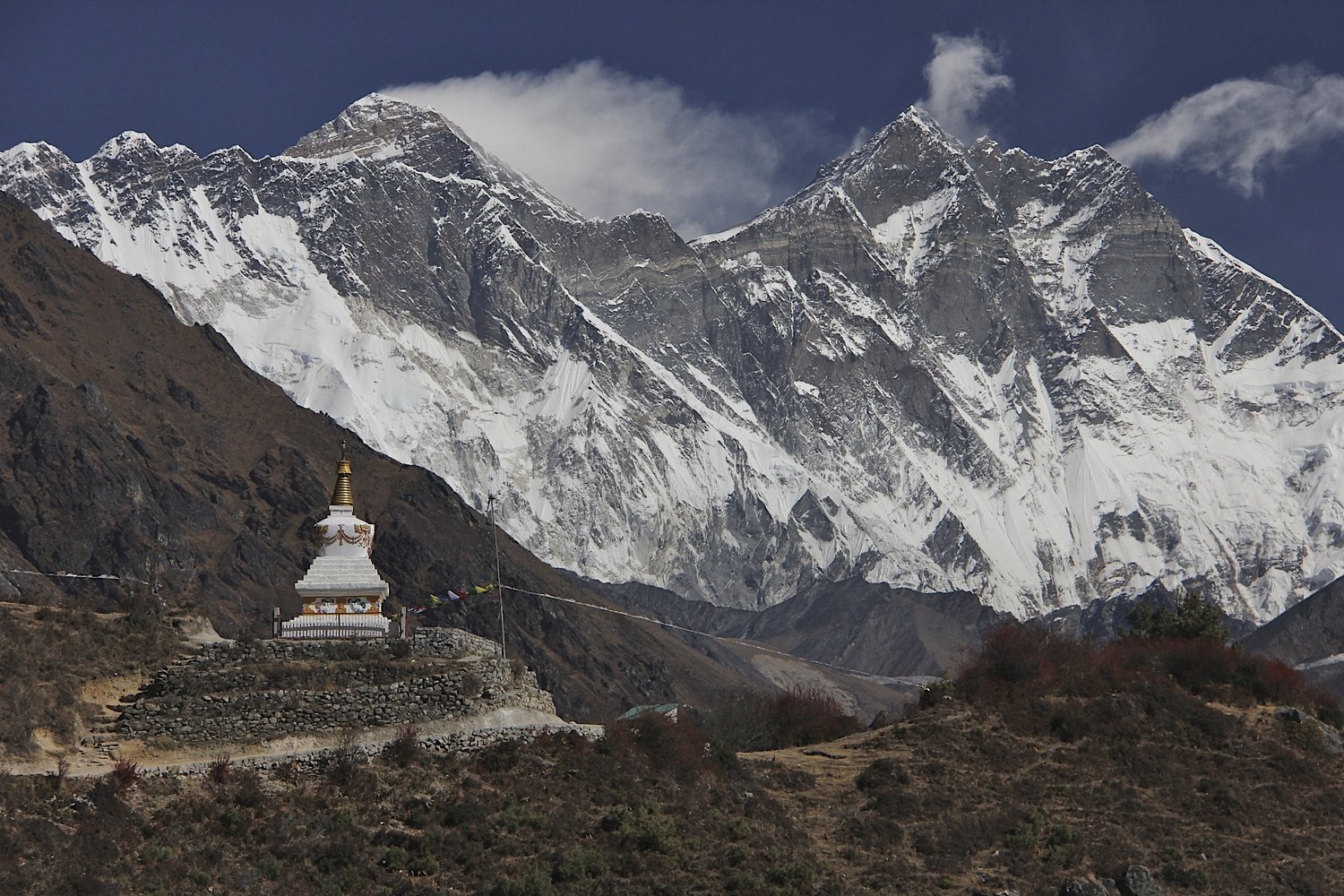
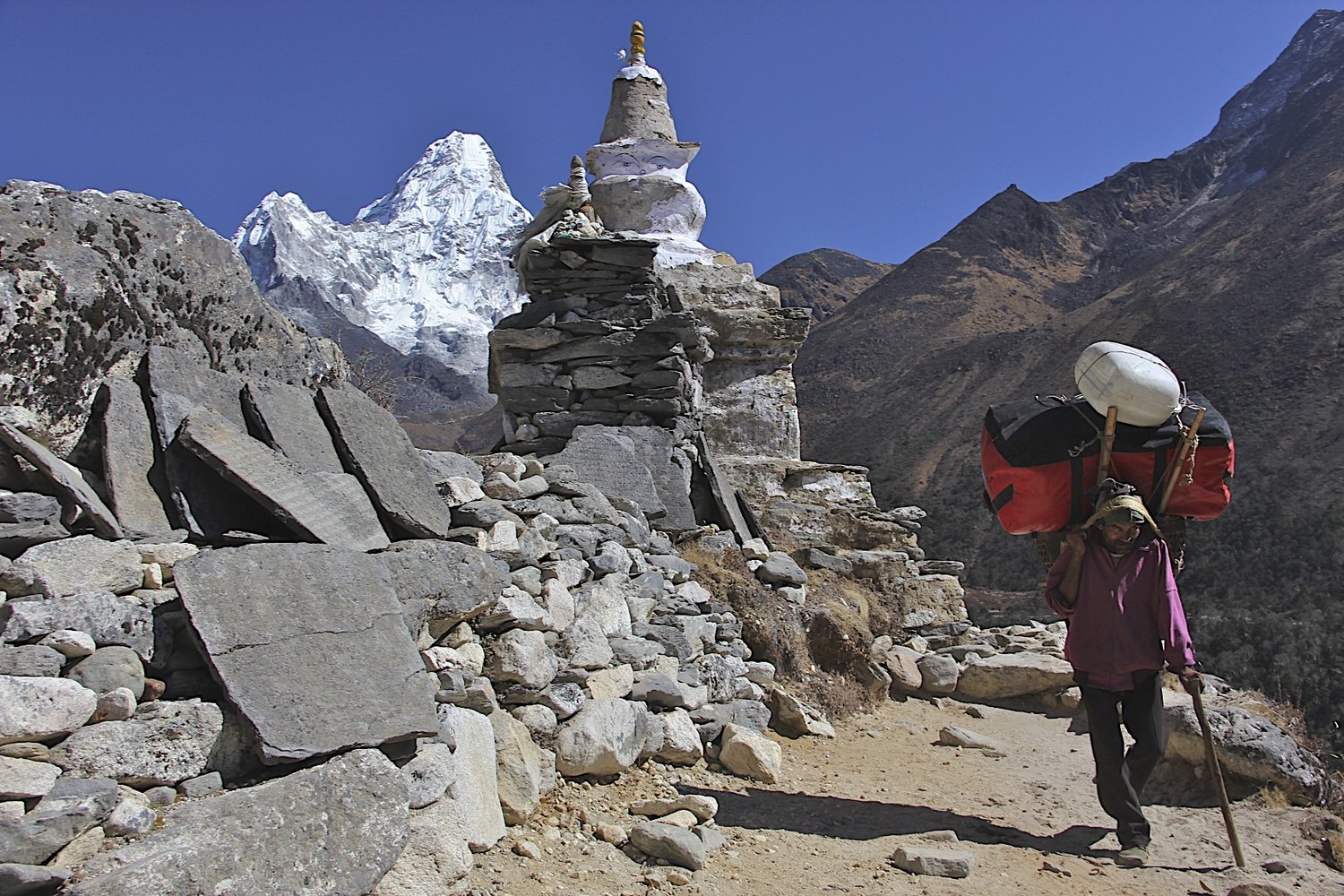
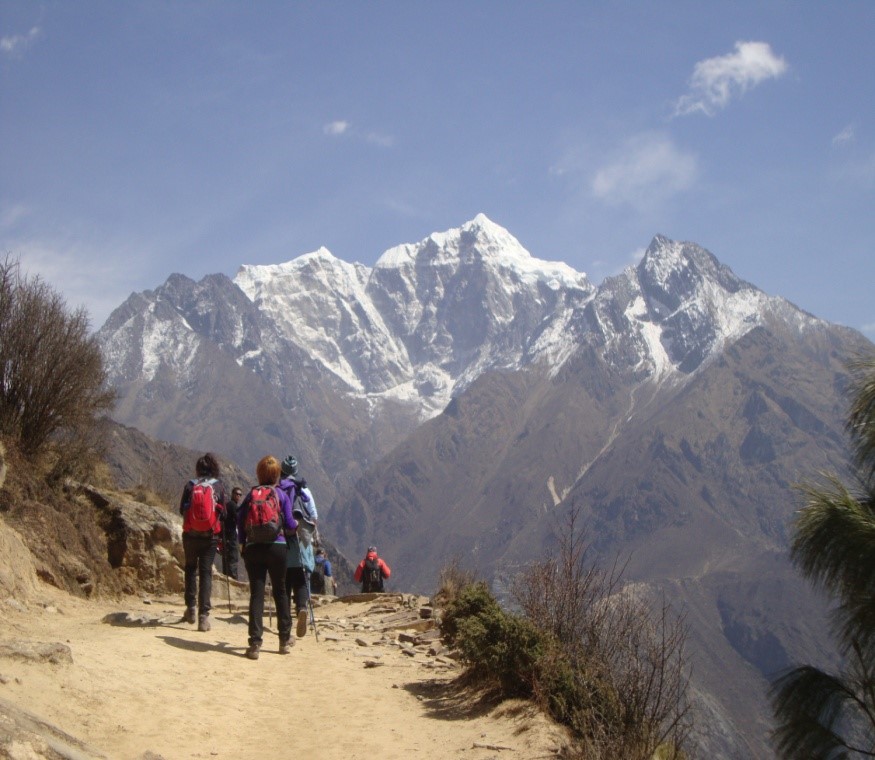
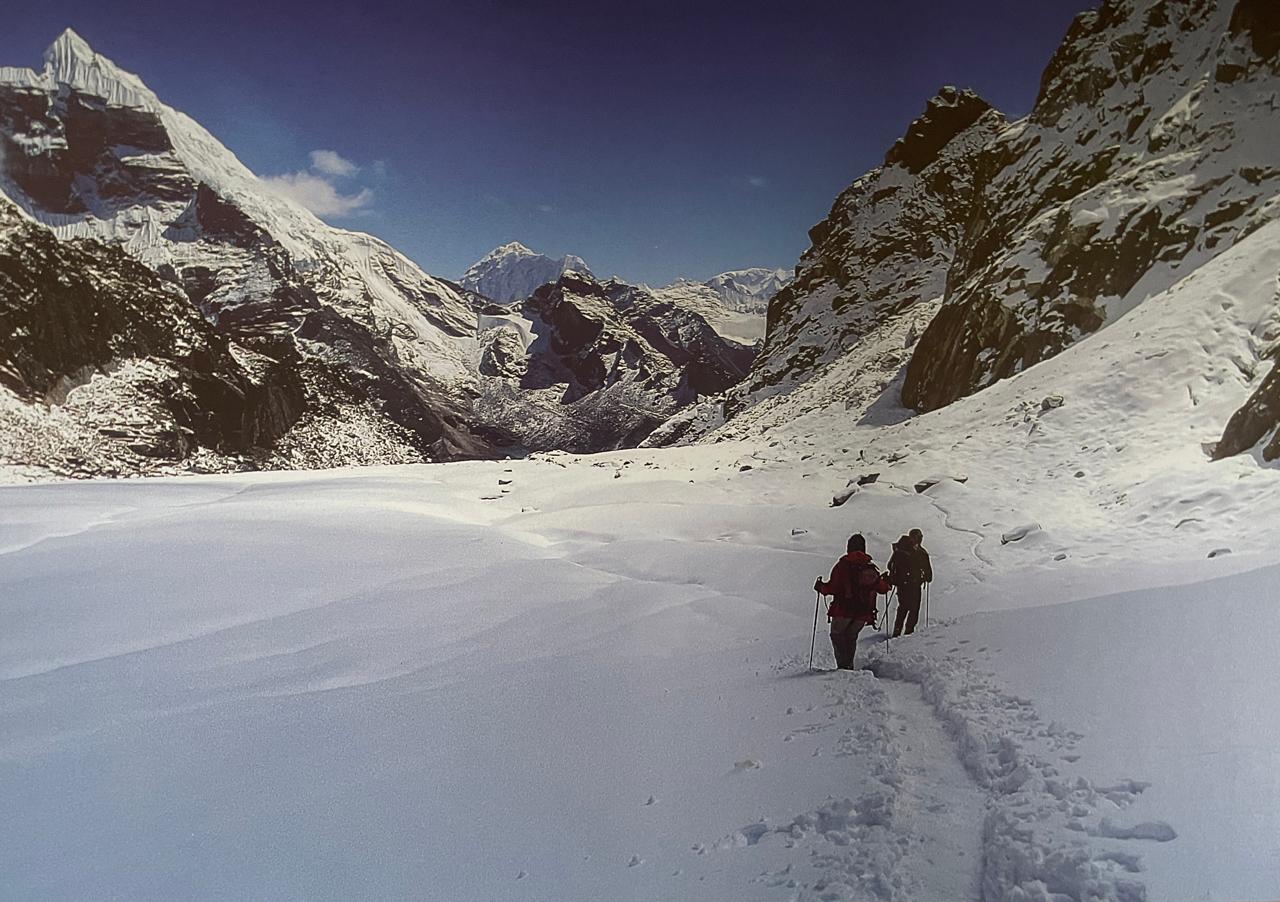
This trek is recognized as one of the most adventurous, often requiring gear like poles or boot spikes, especially after snow makes the passes slippery. Sturdy boots with ankle support are essential. The route traverses the entire Everest National Park, passing through villages, ancient monasteries, high-altitude pastures, and offering a spectacular symphony of the Maha-Langur Himal from various viewpoints all along the way.
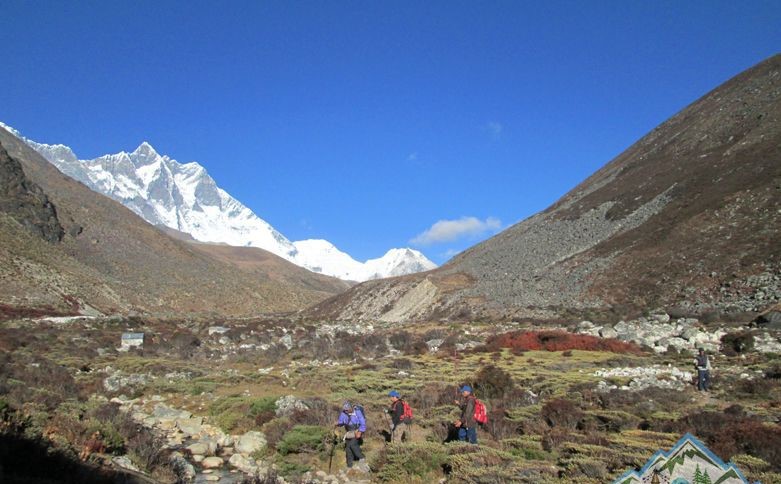
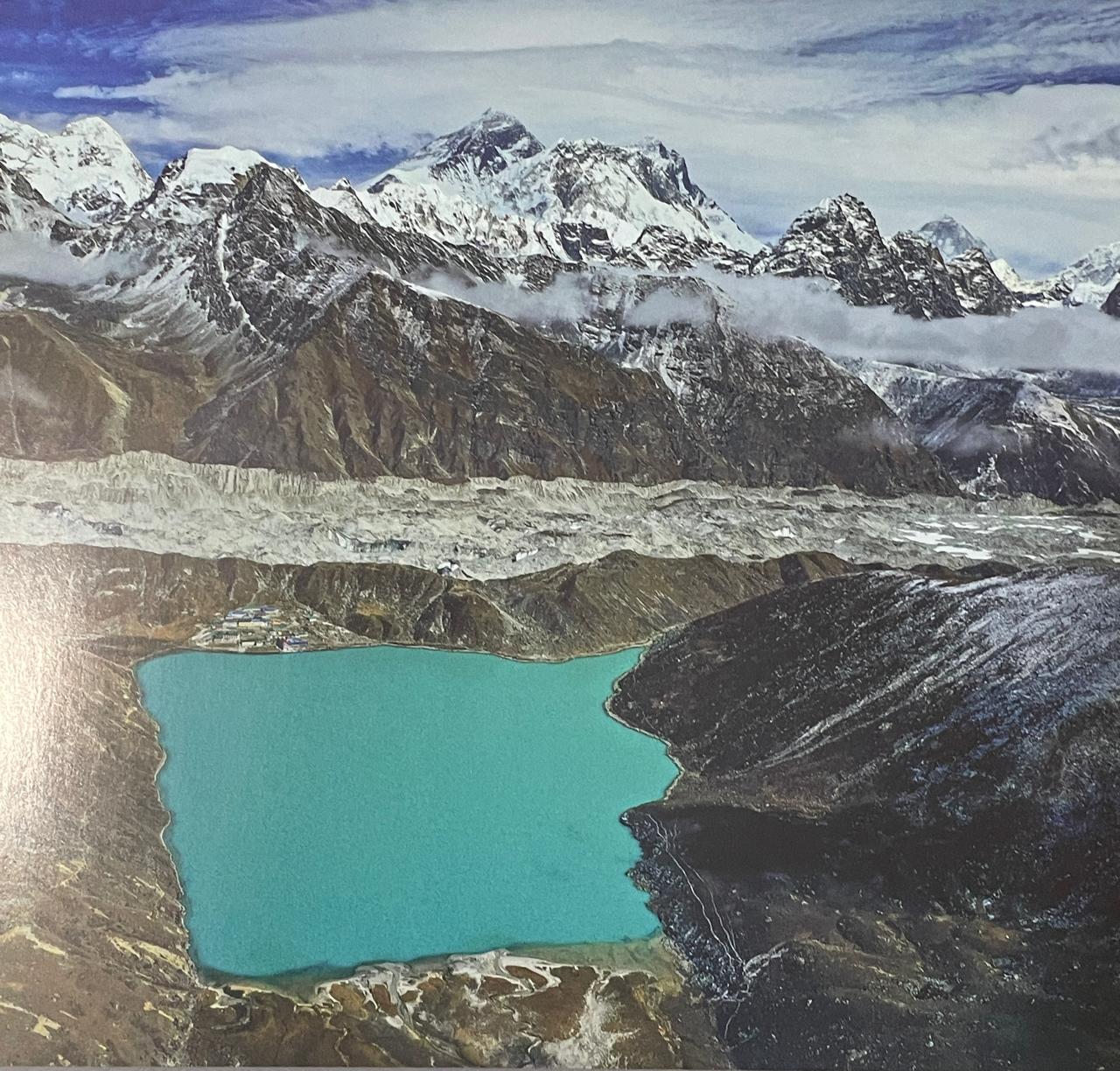
This 3 passes and 3 peaks trek starts from Namche, takes a detour to Thame and through several ancient monasteries before reaching the first pass, Renjo La (5,345m), leading to the largest glacier in the region, Ngozumpa, and Gokyo Lakes to ascend the 1st peak, Gokyo Ri (5357 m). The second pass, Cho La (5,330m), connects to the Everest Base Camp trail, visits the Base Camp and the second peak of Kala Patthar. The return journey to Namche Bazaar crosses the highest and most demanding pass, Kongma La (5,555m) and the 3rd peak, Chukkung Ri (5550 m). The ascent is usually slow and gradual, allowing ample opportunities to enjoy the trek.
Ultimate Everest 3 Passes Trek
🌄 Highlights
- 3 Passes - Renjo La, Cho-La, and Kongma La Passes – three spectacular high-altitude crossings in the Everest region.
- 3 peaks - Gokyo Ri, Kala Patthar and Chukkung Ri – unrivalled views of Mount Everest and surrounding peaks.
- Remote Bhote Khosi Valley and authentic Sherpa villages offering cultural immersion.
- Exploration of Everest Base Camp
- Scenic diversity – from rugged passes to serene valleys, glaciers, and alpine lakes.
- Less-traveled route – fewer trekkers, making it a more exclusive and adventurous journey.
✅ In essence: The Three Pass Trek is not just a trek but one of the ultimate high-altitude journeys in the world’s most spectacular mountain land. Combining breathtaking Himalayan panoramas, challenging passes, and rich Sherpa culture, it offers a premium adventure experience that few treks can match. Think of it as a once-in-a-lifetime mountain odyssey, designed for those seeking both physical challenge and spiritual reward.
Itinerary
Arrival and transfer to the hotel. Free day. Overnight in Kathmandu.
Upon arrival at Tribhuvan International Airport in Kathmandu, our staff will meet you and transfer you to your Hotel. In the evening, your guide will be introduced to you, and a briefing session will be conducted about your trek. A free evening.
Optional Kathmandu Valley sightseeing Tour.
If you opt for it, we can organize a guided "walking tour" of Kathmandu Valley UNESCO Heritage sites: old bazaars and Durbar Squares of Patan and Bhaktapur, stupas, and Temples for cultural discoveries of ancient temples and religious shrines of the three medieval kingdoms.
Drive from Kathmandu to Manthali. Flight to Lukla. Trek to Phakding (2610 m)
Drive from Kathmandu to Manthali by a private vehicle. A short flight from Manthali will land you in Lukla - the gateway, a Sherpa village. After final preparations in Lukla, the trek begins with a gentle descent of about 200 m to the Dudh Koshi River. Crossing a suspension bridge, you’ll enjoy a dramatic view of Mt. Kusum Kangru to the east. The trail then climbs gradually to Ghat, a Buddhist village with striking black Mani walls carved with white prayers. Passing scattered villages and yak herders’ camps, the day ends at Phakding, where you can explore the local village before staying overnight at a mountain lodge.
Phakding to Namche Bazaar (3440 m)
Today’s trek crosses the Dudh Koshi River several times on suspension bridges. The first comes just minutes after leaving Phakding. The trail winds through forests and villages, with a viewpoint offering a stunning look at Mt. Thamserku (6,608 m).
From Banker, the path continues to Monjo, a typical Sherpa village and the entrance to Sagarmatha National Park. After descending to the river and crossing another bridge, you’ll reach Jorsale for lunch.
The trail then leads to Larja Doban, where the Dudh Koshi and Bhote Koshi rivers meet. Crossing the high bridge here, the climb begins toward Namche Bazaar. Along the way, you’ll stop at Top Danda, where you’ll see Everest for the first time. After about 90 minutes of uphill trekking through pine forest, you’ll arrive at Namche Bazaar, the bustling hub of the Khumbu region.
Acclimatization in Namche Bazaar (3440 m)
Rest days mean hiking higher and returning lower to adjust to altitude. Today’s hike takes you to the Everest View Hotel (3,880 m), about 440m above Namche. The uphill walk takes 2.5 hours, with sweeping views of Everest, Lhotse, Ama Dablam, Thamserku, Kusum Kangru, and Kantega.
Trek to Thame (3844 m.)
From Namche, you will leave the main Everest Base Camp trail behind and head north-west along the trail that leads to the Tibetan border. You may meet Tibetans coming over the high passes and down the valley to trade their goods in Namche Bazaar. Thame is famous for being the birthplace of Tenzing Norgay. Overnight at a lodge.
Trek to Lungden (4,380 m)
Today’s walk takes about 3–4 hours. Beyond Thame, few trekkers continue, so the high valley remains quiet, home mainly to yaks, farming, and Sherpa families. Along the way, you will pass through old Himalayan villages that blend naturally into the landscape. By afternoon, you will reach the small settlement of Lungden, where you spend the night.
Acclimatization in Lungden (4,380 m)
This is a rest day to prepare for the long and challenging trek across Renjo-La Pass tomorrow. Staying at Lungden helps you adjust to the altitude and ensures that you are ready for the climb ahead.
Cross Renjo La (5,388 m) to Gokyo (4,791 m)
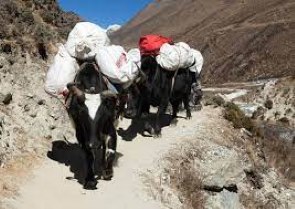
You will start pretty early for the long climb to Renjo La Pass, the first of the three high passes. The trail leads through a quiet valley near Nangpa La, an ancient trade route between Tibet and Nepal that is still used today. The ascent is steady but challenging, along a rocky path often crossed by yaks.
At the top of the pass, the views are unforgettable. From here, you can see Everest, Cho Oyu, Gyanchung Kang, Makalu, Nuptse, and Ama Dablam spread out across the horizon. It’s one of the finest viewpoints in the region, perfect for photography and simply soaking in the grandeur of the Himalayas.
After enjoying the panorama, you will descend on a rough trail that gradually eases as you approach the Gokyo Lakes. Skirting the northern shore of Dudh Pokhari, continue eastward until you reach the village of Gokyo, where you spend the night.
Exploration Day in Gokyo (4,791 m), Gokyo Ri Climb
After yesterday’s tough climb, today is a rest and exploration day. Gokyo is a peaceful place surrounded by breathtaking scenery. In the morning, you will hike up Gokyo Ri (5,357 m), the first of the three peaks in our itinerary.
The climb takes 2–3 hours on a zig-zag trail. Reaching the summit at sunrise is magical—the sky brightens slowly, and the first rays of sunlight touch the tip of Everest before lighting up its massive southwest face in glowing orange. From the top, you’ll enjoy sweeping views of Everest, Cho Oyu, and other Himalayan giants. The rest of the day is free to relax, explore the lakes, and enjoy the tranquility of Gokyo.
Trek to Dragnak (4,700 m)
You will set off across the glacier’s moraine, following sandy trails through a rugged, moonscape-like terrain. After 2–3 hours of weaving through this dramatic landscape, you will reach the small hamlet of Dragnak, where you spend the night.
Cross Cho La Pass (5,368 m) to Dzongla (4,830 m)
This is one of the toughest days of the trek. Starting very early, you will ascend gradually along a river valley to a sandy ridge, with views of Nirekha Peak, Kangshung Peak, and Cholatse. After a gentle descent to the lunch spot, the trail becomes steep and rocky.
You should climb carefully among boulders and loose gravel, sometimes icy, where crampons or ropes may be needed. The view of the Cho La ahead appears with some of the daunting 6,000m peaks to the north and south: Nirekha Peak, Kangshung Peak and Cholatse, among them. At the top, the Cho La Pass, second in your series, may be glaciated, and you will walk across snow for about 15-25 minutes before descending steeply into a beautiful valley. A meandering stream will lead you to Dzongla, where you rest after this demanding but rewarding day.
Dzongla to Lobuche (4,930 m)
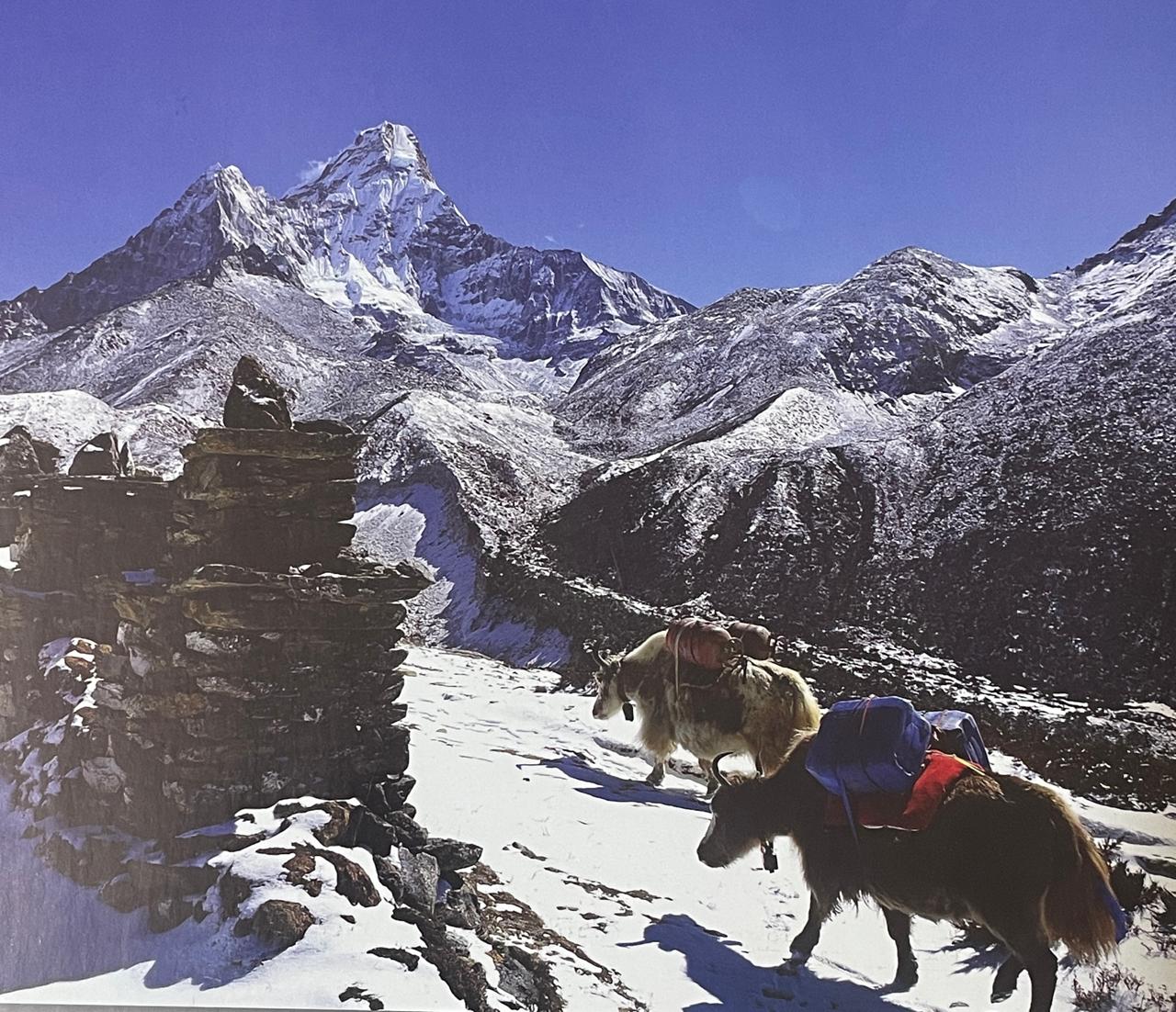
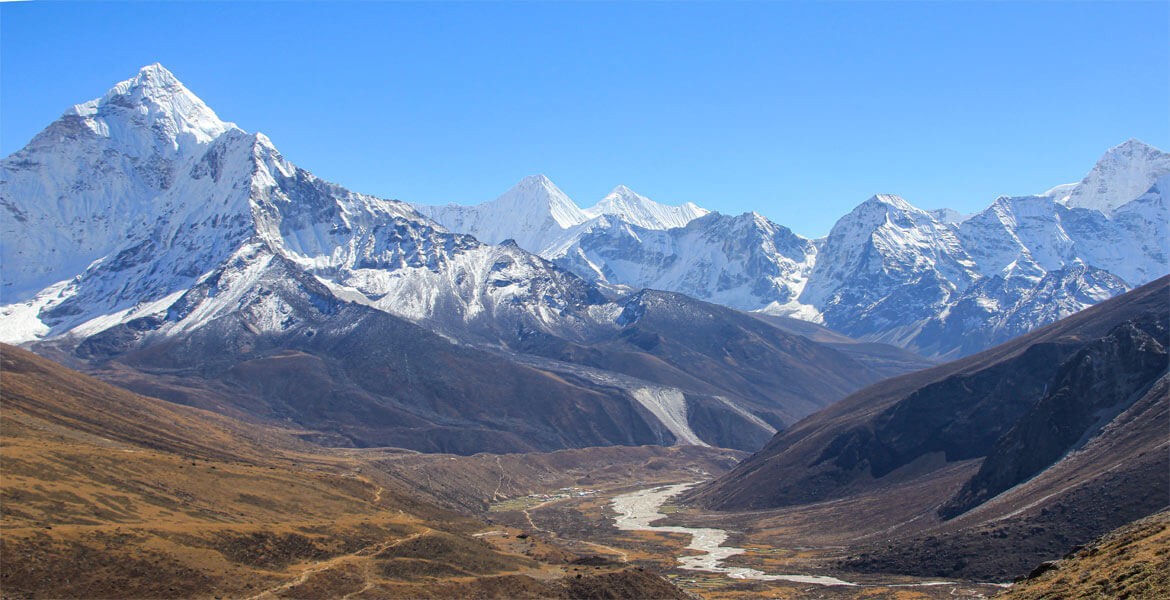
The trail descends slightly before contouring around Awi Peak. From here, you join the main Khumbu Valley and continue to Lobuche. Along the way, enjoy superb views, including the striking north face of Ama Dablam. Arriving in Lobuche feels busy compared to the quiet trails, as it is a popular stop for trekkers heading to Everest Base Camp.
Lobuche to Gorakshep (5,160 m) and Everest Base Camp (5364 m)
After about 3 hours of trekking, you will reach Gorakshep, the last settlement before Everest Base Camp. Explore the area and visit the actual Everest Base Camp and return back to Gorakshep. The trail continues along the Khumbu Glacier, winding between rocky mounds and rubble. After about three hours of steady trekking, you will reach Everest Base Camp, located near the foot of the Khumbu Icefall. The Base Camp itself is spread across a wide area, dotted with tents and campsites. Spend some time walking through it, taking in the atmosphere, and imagining what it must be like for climbers who live here for two months while preparing to attempt the summit of Everest.
Climb Kala Patthar (5545 m.) and return to Lobuche.
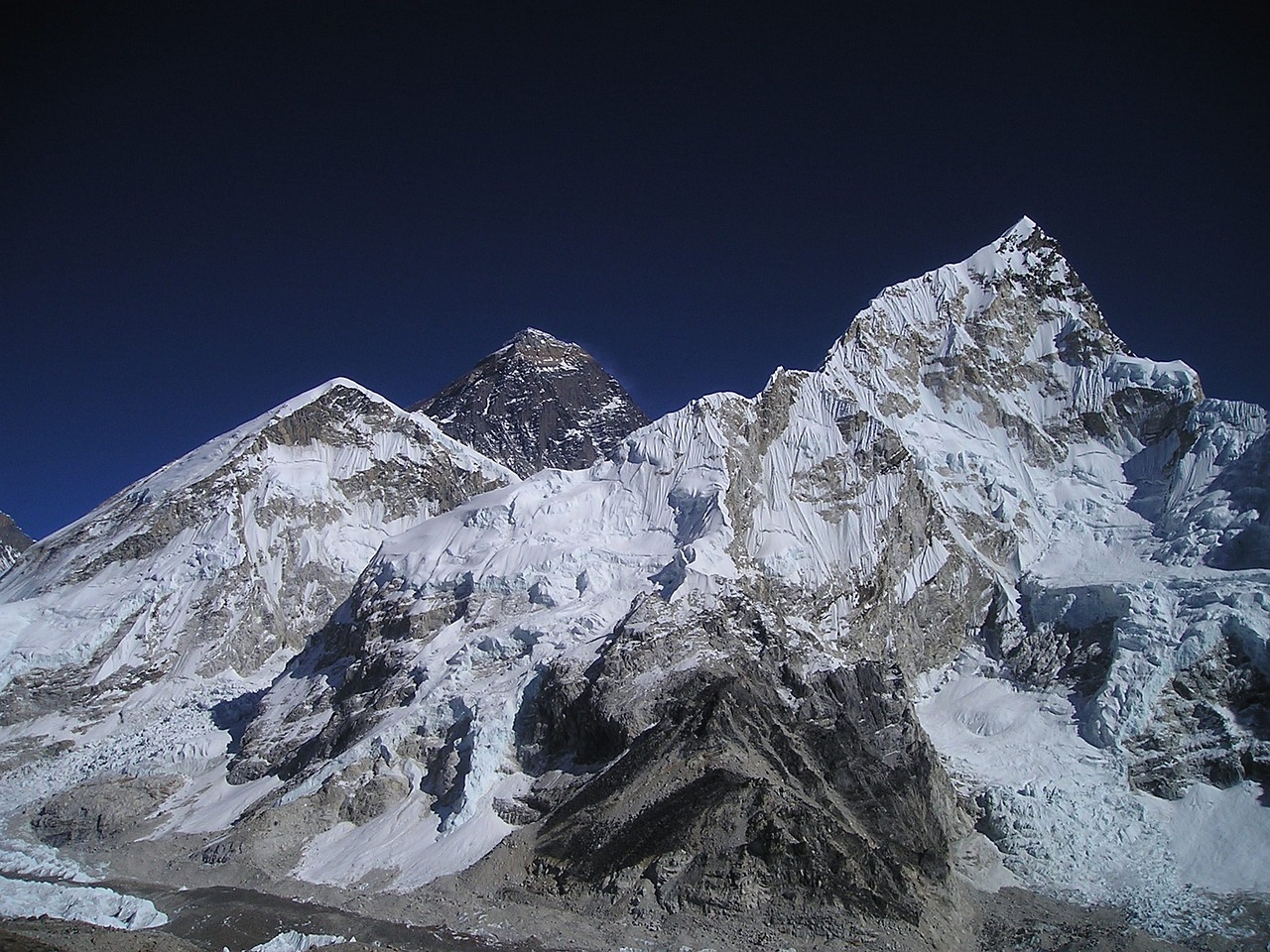
In the morning, if you have not done so already the previous evening, you will have another chance of reaching the top of Kala Patthar. From Gorakshep (5,160 m), hike to Kala Patthar (5,545 m), 2nd in your series and one of the best viewpoints in the Everest region. The ascent takes about 2 hours, following a steep but rewarding trail. At the summit, you’ll enjoy breathtaking views of Everest, Nuptse, Lhotse, and Ama Dablam, especially beautiful in the early morning light.
After spending time at the top, descend back to Gorakshep and then continue down the valley to Lobuche (4,930 m). The return walk takes another 2–3 hours, bringing you back to the main Khumbu trail for an overnight stay. The following day will be another big day, as you will plan to tackle the third of the High Passes, to put you in position for the last of your 3 Peaks.
Cross Kongma La (5535 m.) to Chukkung (4720 m)
Much underrated, the Kongma La is a challenging pass and a more interesting way to approach the Imja Valley than via Dugla and Dingboche, as is usual for most trekking parties. The path is steep at first but eventually reaches the top of the pass. Here, the views from the Kongma La are really spectacular, especially towards Makalu in the east, of Ama Dablam's North Ridge and of Nuptse towering immediately over your heads. Passing by some glacial lakes and yak pastures on the descent, Chukkung is a small settlement reached in about 4 hours from the pass.
Climb Chukkung Ri (5550 m). Trek to Dingboche (4410 m)
The trail climbs quickly from the hamlet, crossing open grassy slopes and heading toward the towering wall of Lhotse. After two weeks of trekking, you’ll be well acclimatized and fit, but the zig-zag path to the summit still feels demanding. As dawn breaks, the rising sun warms the sky while you make the final steps over rocky ground. At the top, prayer flags mark the summit and celebrate your achievement on all the 3 passes and the 3 summits.
The views are breathtaking. You can trace your journey across the Khumbu, with the Dudh Koshi River flowing south toward Lukla, and to the west, the Cho La Pass and Gokyo leading toward Tibet. Looking over Ama Dablam and down to Namche Bazaar, the immense wall of Lhotse rises behind you, hiding Everest from view. In its place, you see Makalu to the east and the great peaks of the Upper Hongu, including Chamlang and Baruntse.
It is a fitting finale to the trek—standing among the giants of the Himalayas. After descending from the summit, you will trek easily down to Dingboche, arriving in just a few hours.
Trek to Tengboche (3837 m)
Following the main Everest trail down the scenic valley, you will pass through Pangboche at the base of Ama Dablam and cross the river before climbing to the monastery at Tengboche. Spend some time exploring the famous monastery - a circuit with its many prayer wheels is not to be missed, as well as exploring inside.
Trek to Monjo (2835 m)
From Tengboche, a steep descent leads through the rhododendron bushes and fir trees to Phunki Thangma again, to climb up the opposite bank. You will continue on the path leading back to Namche Bazaar. There will be enough time in Namche to shop and relax in the bakery with a coffee and a cake, or even to check the Internet. You then descend steeply back to the suspension bridge over the Dudh Koshi and into the small village of Monjo.
Trek to Lukla (2840 m)
The trail now flattens out, and you cross the river twice more before rising to traverse up the hillside, past teahouses to Lukla. Your last day of trekking and to party with your Nepalese crew.
Flight to Manthali. Drive to Kathmandu. Overnight at a hotel in Kathmandu.
You will board an early flight from Lukla to Manthali. From Manthali, you will take a private vehicle to Kathmandu. Upon arrival in Kathmandu, you will be transferred to your hotel.
A buffer day
This day is set aside just in case the weather in Lukla affects the flight operations in and out of Lukla. This day can be used to explore the back streets, or you can have a walk around the local market to hunt for some last-minute souvenir pick-ups. Overnight hotel.
Departure transfer to the international airport.
Photo Gallery