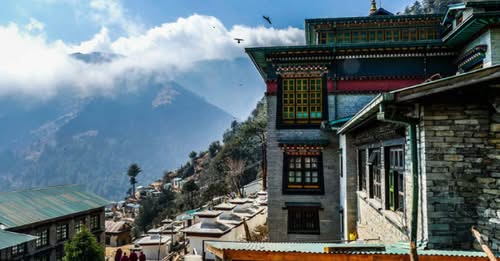
Pikey Peak and Mani Rimdu festival


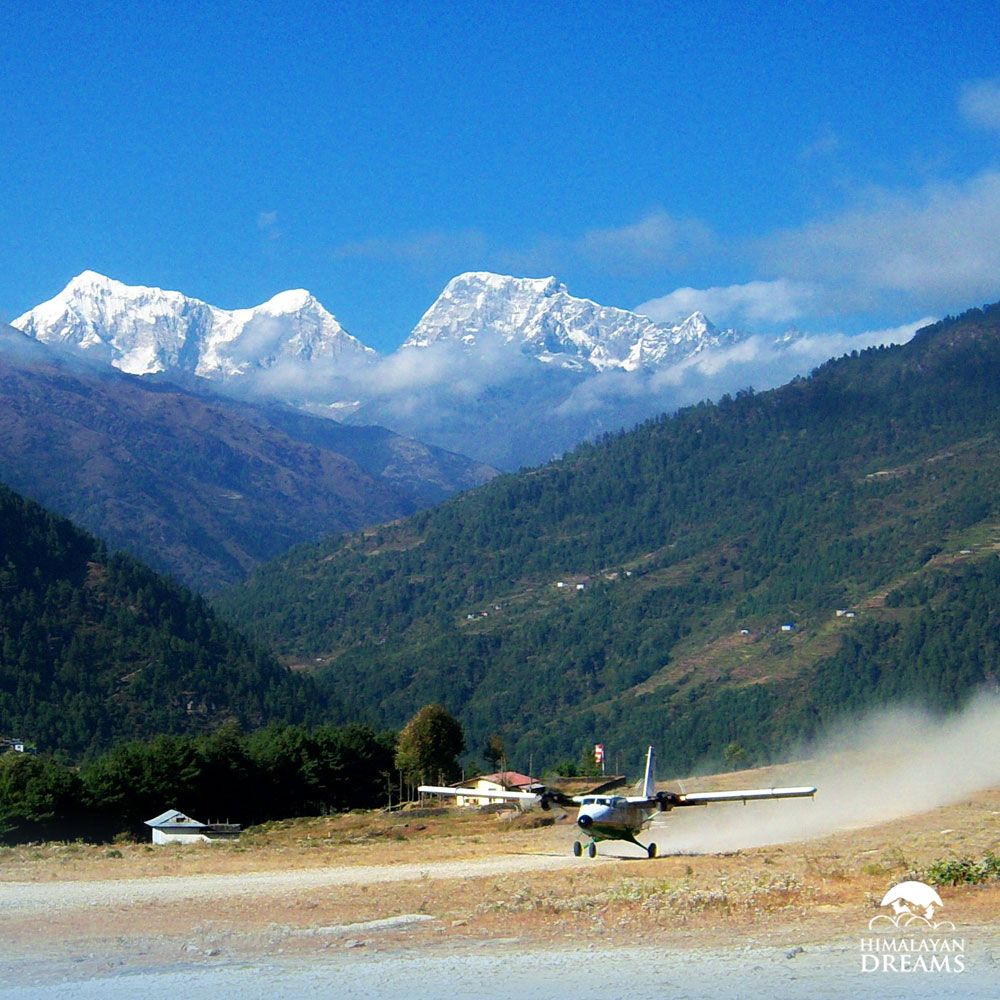
The trek to Pikey Peak, at 4,065 meters, offers an incredible journey through the lower Everest region of Solu, which Sir Edmund Hillary once described as one of the most stunning routes. While the trek is most popular during Spring and Autumn, it is also accessible in winter. You can begin your adventure by flying to Phaplu or taking a 6-7 hour drive from Kathmandu to Dhap.
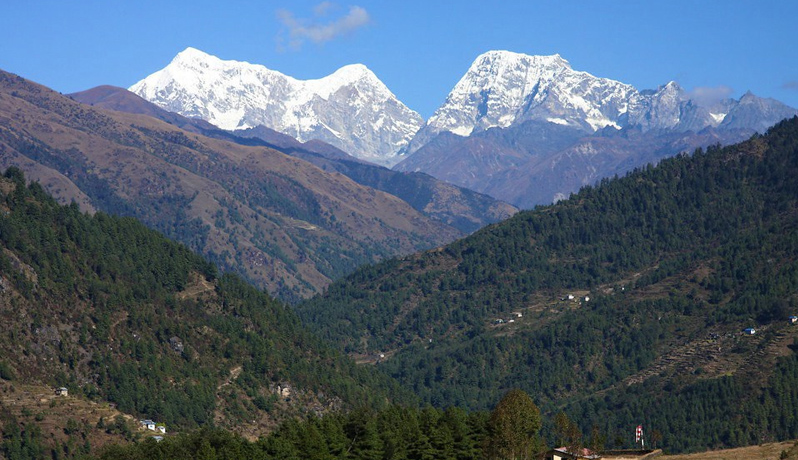
This trek, which avoids the crowded trails of the Upper Everest region, offers enchanting views of the entire Eastern Himalayas and captivating landscapes. The route follows an off-the-beaten-path trail to Jhapre at 2,820 meters, then continues to Pikey Peak Base Camp at 3,640 meters. The return journey takes you through Lamjure Danda, leading to the beautiful Sherpa village of Junbesi at 2,700 meters.

One of the highlights is a visit to the Thupten Chholing Monastery at 3,031 meters, famous for the performance of the Mani Rimdu Festival. Your trip to this region can be organised to coincide with the festival. For your return, you can either fly out from Phaplu or take a 7-8 hour drive back to Kathmandu.
Due to the lower traffic on this route, accommodation is provided by local lodges or home-stays. Staying in these local establishments offers a unique opportunity to immerse yourself in the local culture and lifestyle, making your trek not just a journey through the mountains, but also a cultural experience.
🌄✨ Highlights of the Magic of Pikey Peak! ✨🌄 🎉 Mani Rimdu Festival – Chiwong Gompa, and a Mindfulness and Wellness retreat in Solu
The Pikey Peak trek coincides with the Mani Rimdu festivals. The Mani Rimdu Festival is one of the most significant cultural and religious celebrations of the Sherpa community. Held annually in Solu, it commemorates the founding of Buddhism by Guru Rinpoche Padmasambhava.
✨ Key Features
- Thirteen sacred acts: A sequence of elaborate ceremonies, dances, and dramas performed by monks.
- Masked dances: Symbolic performances portraying the triumph of Buddhism over negative forces.
- Community gathering: Lamas, Sherpas, and devotees assemble in large numbers to pray for the welfare of the world.
- Festive atmosphere: Ritual prayers, vibrant dances, and communal feasts create a spirit of joy and unity.
Pikey Peak Highlights:
Unmatched Himalayan Views: A sweeping 360° vista of eight of Nepal’s highest peaks.
Sherpa Culture: Explore the vibrant village of Junbesi, a cultural hub of the Solu region.
Thubten Choling Monastery: A spiritual refuge for Tibetan Buddhists and a living testament to resilience and faith.
Sacred Dudh Kunda Lake: A pristine pilgrimage site nestled beneath towering peaks.
Chiwong Gompa: A historic monastery perched above Phaplu, offering insight into Buddhist traditions.
🌟 In essence: Authentic Sherpa hospitality and traditions with gentle trails with fewer crowds, making it ideal for trekkers seeking solitude and cultural immersion. A blend of adventure, spirituality, and breathtaking landscapes — all within reach of Kathmandu. This trek is not just about reaching a peak; it’s about experiencing the soul of the Himalayas through its people, monasteries, sacred landscapes and a wellness retreat.
With breathtaking views, crisp mountain air, trails that challenge and inspire, right at the heart of Sherpa culture with impressive monasteries, this is the ultimate destination for explorers, nature lovers, and thrill-seekers alike. Dare to climb higher, push harder, and embrace the wild. Pikey Peak is more than a mountain — it’s an adventure that tests your spirit and rewards your courage. 🌄✨
To coincide with the annual Mani Rimdu Festival at Chiwong Monastery. Please plan for an additional four days beyond the itinerary detailed below, starting on Day 09.
The Mani Rimdu Festival is more than a 4-day celebration — it is a spiritual and cultural convergence where the Sherpa community reaffirms its Buddhist heritage. Through sacred rituals, masked dances, and shared feasts, the festival embodies faith, unity, and cultural vibrancy, offering visitors a rare glimpse into the living traditions of Himalayan Buddhism.
Day 01 – First Day: Empowerment Ceremony (Wong)
The first public day of Mani Rimdu begins with the sacred Wong (Empowerment Ceremony). During the ceremony, monks bless the participants and distribute Mani Rilwu (sacred pills) and Tshereel (long-life pills) to those attending.
Day 02-03 – Second and Third Days: Sacred Masked Dances (Chham)
The main celebrations continue with the colorful and symbolic Chham masked dances performed by the monks. Through these traditional dances, negative forces and symbolic demons are defeated, driven away, or transformed into protectors of the Dharma. The performances represent the triumph of positive forces, wisdom, and harmony over chaos and disorder.
Day 04 – Final Day: Fire Puja
Mani Rimdu concludes with the Fire Puja, a sacred ritual performed by the monks to dispel negative energies and offer prayers for peace, protection, and well-being.
Itinerary
Arrival and transfer to the hotel. Free day. Overnight in Kathmandu.
Upon your arrival at Tribhuvan International Airport in Kathmandu, you will be met by our staff and transferred to your Hotel. In the evening you guide will be introduced to you and a briefing session will be conducted about your trek. A free evening.
Optional Kathmandu Valley sightseeing Tour.
If you opt for it, we can organise a guided "walking tour" of Kathmandu Valley UNESCO Heritage sites: old bazaars and Durbar Squares of Patan and Bhaktapur, stupas, and Temples for cultural discoveries of ancient temples and religious shrines of the three medieval kingdoms.
Kathmandu to Dhap (2850 m.)
The day starts in the morning with a long drive of 8-9 hours along the long and winding roads of the Middle Hills, along the Koshi River banks, and finally climbs towards the ridgeline to the south at Dhap, where you start your trek.
Trek to Japre (2920 m)
As you near Sigane you will see the mountains coming into view, and these are the peaks of the Numbur Himal section of the Himalayan Range.
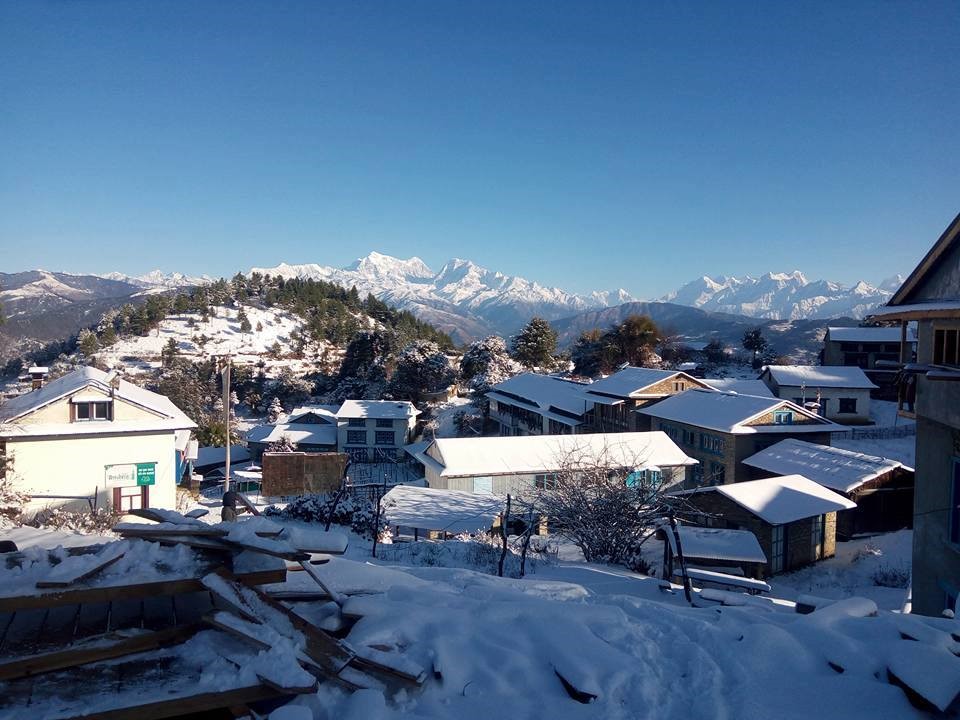
The trail from Sigane follows a road that is currently under construction for the first couple of hours. The first village is called Japre (2920 m), and it is perched above a deep valley with lovely views of Everest and Numbur Himal. There’s a pretty little Gompa and Stupa here, and you stay at camp in the village.
Trek to Pikey Base Camp (3640 m)
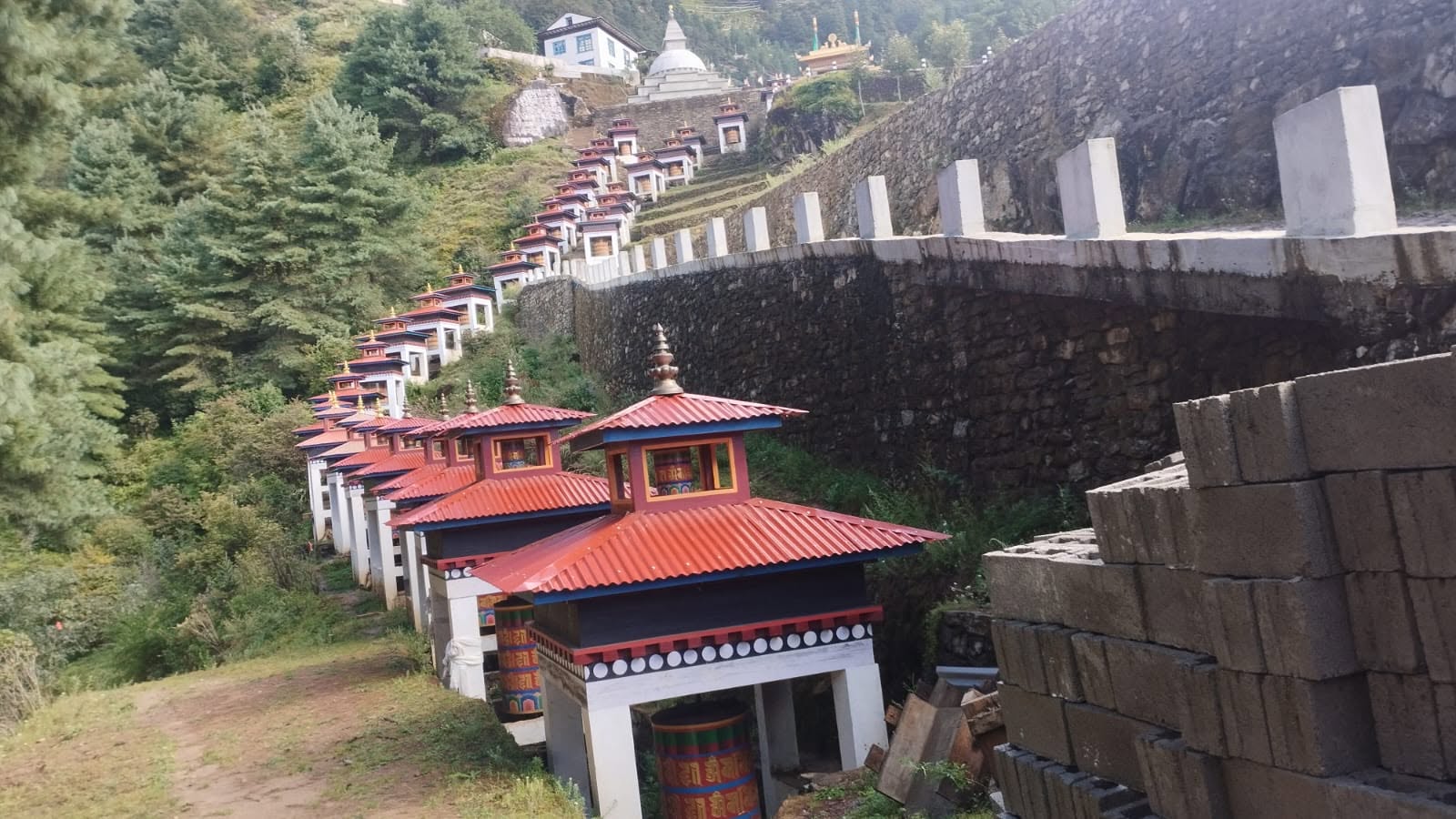
From Japre, the trail climbs up to a grassy ridge at Bhulbhule. There’s one lodge with no name and great views of the Everest range from here. Soon after Bhulbhule, the trail splits and you take the right trail up towards Pikey Peak. Your trail passes some old yak herders' houses/huts and a long ‘Mani Stone’ wall before contouring around the hillside below Taklung Danda (ridge). You continue along a beautiful forested trail with many Rhododendrons and, as you leave the forest, it’s about 2 hours to Pikey Peak base camp.
It’s a short climb to the summit at 4,065 m, but unless there’s an unusually clear evening, it’s better to go to bed early and save the climb for sunrise.
Visit Pikey Peak (4302 m) and down to Loding (2515 m)
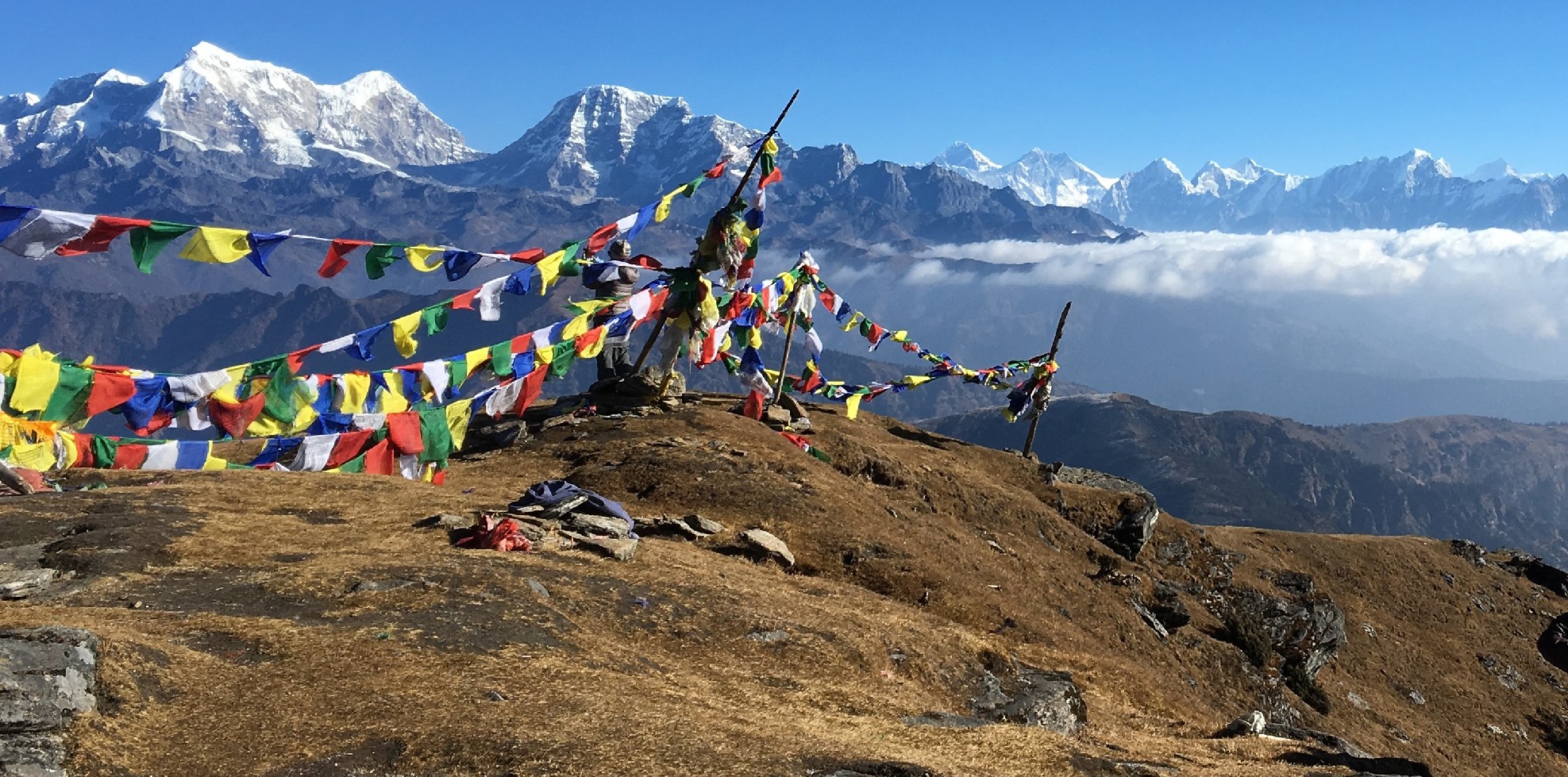
Starting early in the morning, you'll follow a gradual trail to the summit, covered with prayer flags. The views are breathtaking! It is considered one of the best in Nepal. You'll be rewarded with panoramic views from Annapurna to Kanchenjunga.
From the top of Pikey Peak, you'll follow a ridgeline which starts flat and then steepens as you enter the forest to Jase Bhanjyang, where breakfast will be waiting. After breakfast, you'll continue your walk down to Loding, which passes through some steep sections in the forest. At Loding, you'll have a couple of choices for accommodation, which are both simple and charming.
Trek to Junbeshi.
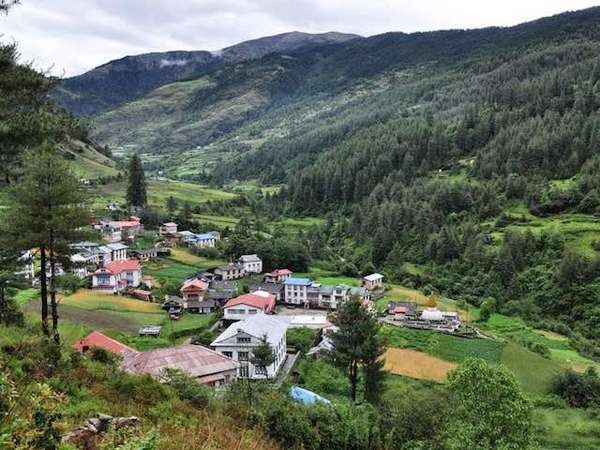
Today, you descend into the lush Junbesi Valley, where the warmer climate and increasing vegetation create a noticeable contrast to the higher ridges and alpine pastures. As the trail winds through traditional Sherpa villages and cultivated fields, the region reveals a rich cultural character and a welcoming atmosphere. Junbesi, one of the most prominent Sherpa settlements in lower Solukhumbu, offers valuable insight into local life and traditions. During your stay, you visit Thubten Chöling Monastery, one of the region's most important Buddhist centers, renowned for its spiritual significance and deep connection to the cultural heritage of the Junbesi Valley.
Explore Thupten Choling Gompa (Monastery), Junbesi
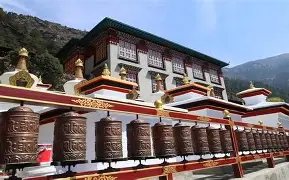
Located on a scenic hillside above the Sherpa village of Junbesi in the Solu region of Nepal, Thupten Choling Gompa is one of the most important Tibetan Buddhist monasteries outside Tibet. Established by the revered Kyabje Trulshik Rinpoche in 1968 after his exile from Tibet, the monastery became a spiritual refuge for Tibetan refugees and a center for the preservation of Buddhist teachings and traditions.
Today, Thupten Choling is home to a large community of monks and nuns and serves as an active center for prayer, meditation, Buddhist study, and traditional rituals. Set amidst forests and panoramic Himalayan landscapes, the monastery offers visitors a unique opportunity to experience authentic Tibetan Buddhist culture, witness daily religious ceremonies, and enjoy the tranquil atmosphere of the Solu region. The monastery is often visited as a cultural side trip during treks in the lower Everest area, particularly around Junbesi and Pikey Peak.
Its spiritual significance, peaceful setting, and rich heritage make Thupten Choling Gompa one of Solukhumbu's most treasured cultural and religious landmarks.
Trek to Phaplu Chiwong Gompa (Chiwong Monastery)
Perched dramatically on a cliff above Phaplu in the Solu region of Solukhumbu, Chiwong Gompa is one of the most significant Sherpa Buddhist monasteries in eastern Nepal. Founded between 1919 and 1923 by Sangey Tenpa Lama, the monastery belongs to the Nyingma tradition of Tibetan Buddhism and has long served as an important religious and cultural center for the Sherpa community.
Situated at approximately 2,740 m, the monastery offers spectacular views of the surrounding hills and Himalayan peaks. Its peaceful setting, traditional architecture, colorful prayer flags, and richly decorated prayer halls make it a rewarding destination for visitors interested in Sherpa culture and Buddhist heritage.
Chiwong Gompa is especially renowned for hosting the annual Mani Rimdu Festival, a vibrant celebration featuring sacred rituals, masked dances, prayers, and blessings. The festival attracts pilgrims and visitors from across Nepal and beyond, making the monastery a focal point of spiritual life in the Solu region.
Today, Chiwong Gompa remains an active monastery and a cherished cultural landmark, offering insight into the rich Buddhist traditions and enduring heritage of the Sherpa people.
To Kathmandu
You can either take a drive of about 9–10 hrs. or take a flight from Phaplu to Kathmandu. Transfer to a hotel.
A buffer day
This day is set aside to cover just in case of delays in the trip for any reason. This day can be used to explore the back streets, or you can have a walk around the local market to hunt for some last-minute souvenir pick-ups. Overnight hotel.
Departure transfer to the international airport.
Photo Gallery