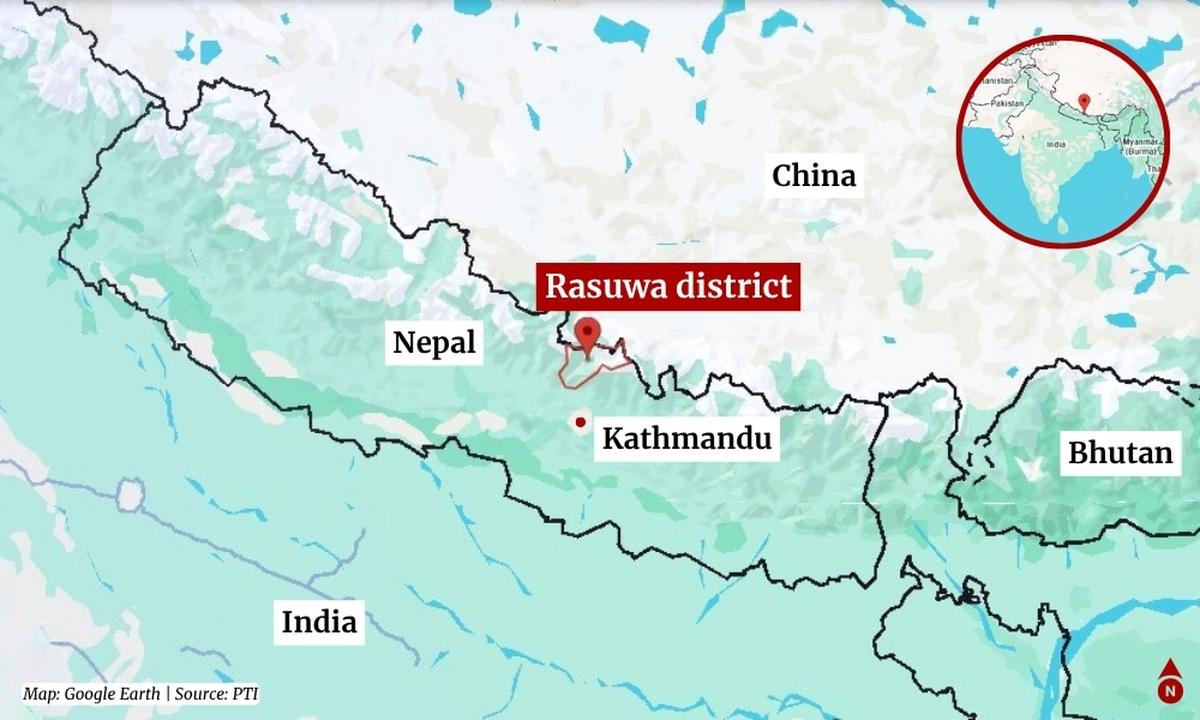
Helping Rasuwa and Nuwakot Recent Flood Survivors - A CSR Initiative by Snow Leopard Trek and T-HELP (Trans Himalayan Environment and Livelihood Program)
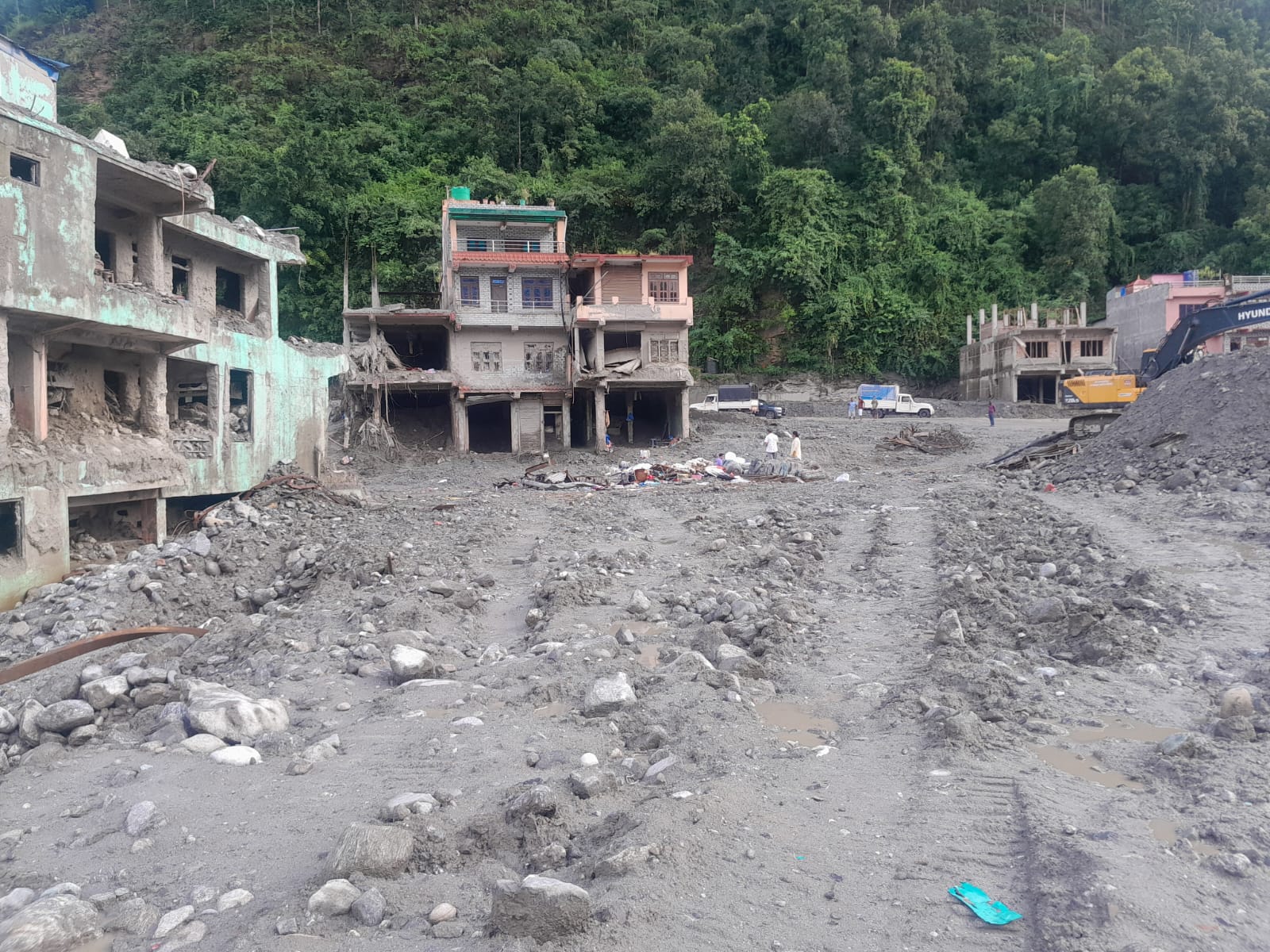
As you are well aware, the recent flash floods in the Bhote Koshi and Trisuli Rivers have left many families struggling for food, clean drinking water, shelter, clothing, medicines, and other basic necessities.
In response, Snow Leopard Trek, together with T-HELP (Trans Himalayan Environment and Livelihood Program), has launched a three-phase assistance and support program to help affected communities recover and rebuild their lives.
Phase One: Immediate Relief & Field Assessment - Completed
Following the initial planning, a team of Snow Leopard Trek staff, officials, and T-HELP volunteers visited the flood-affected areas and coordinated closely with local government representatives, including the Mayor and municipal officials.
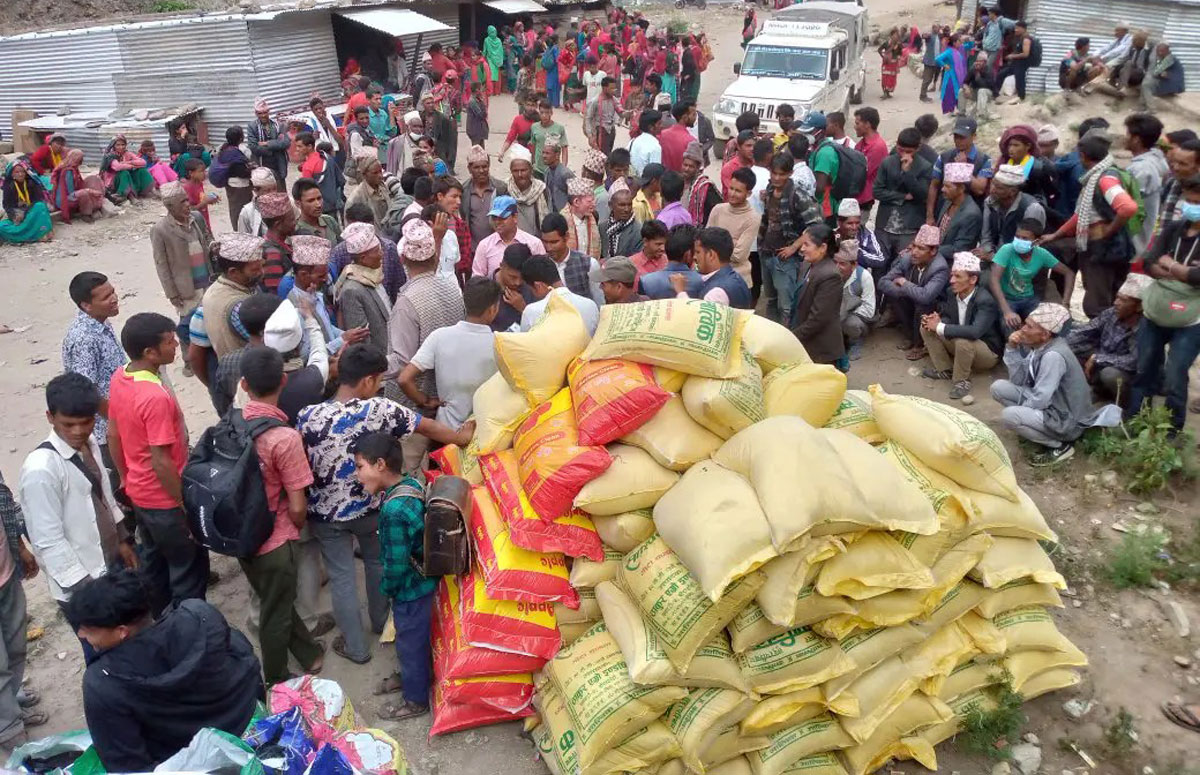
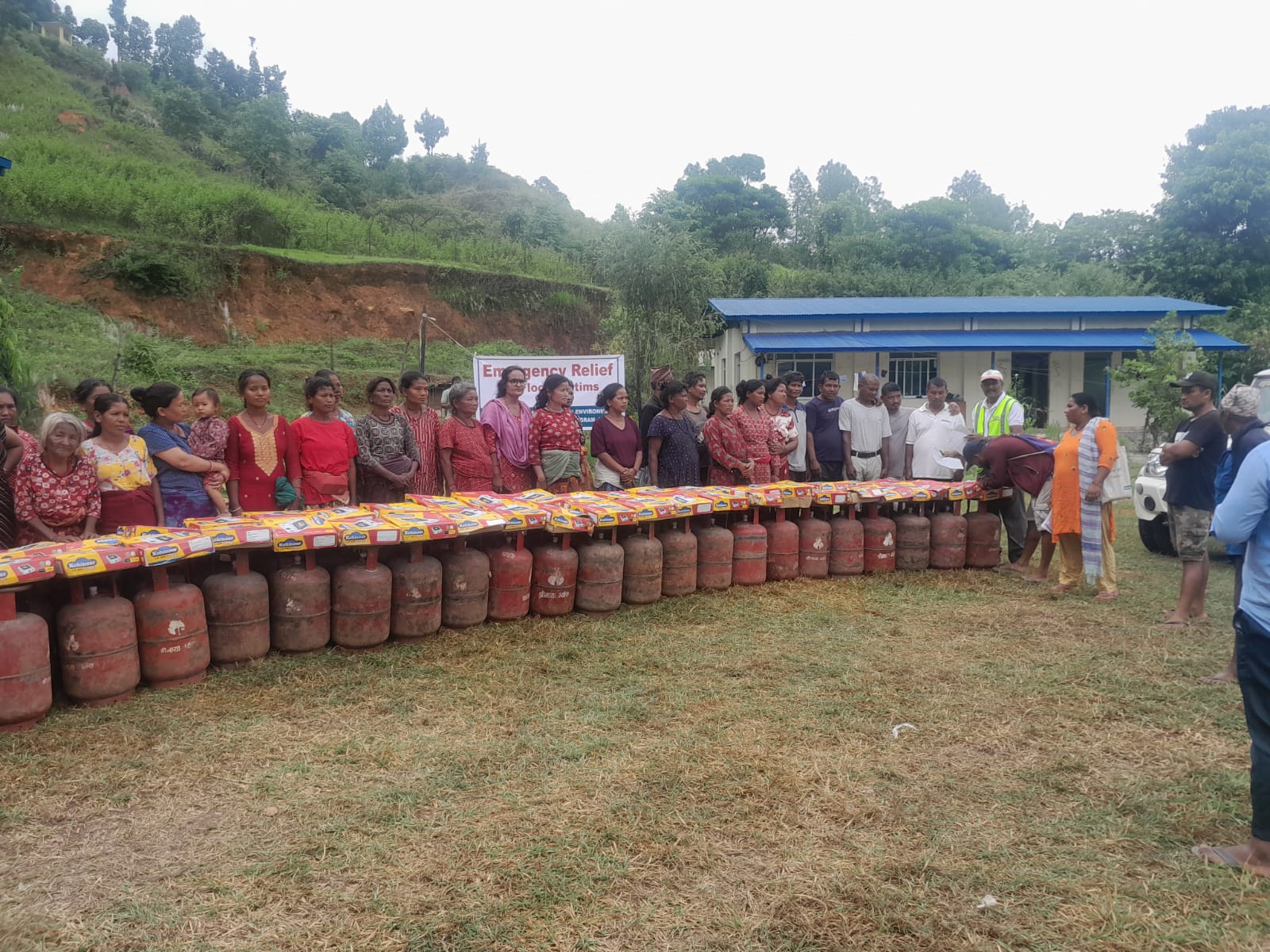
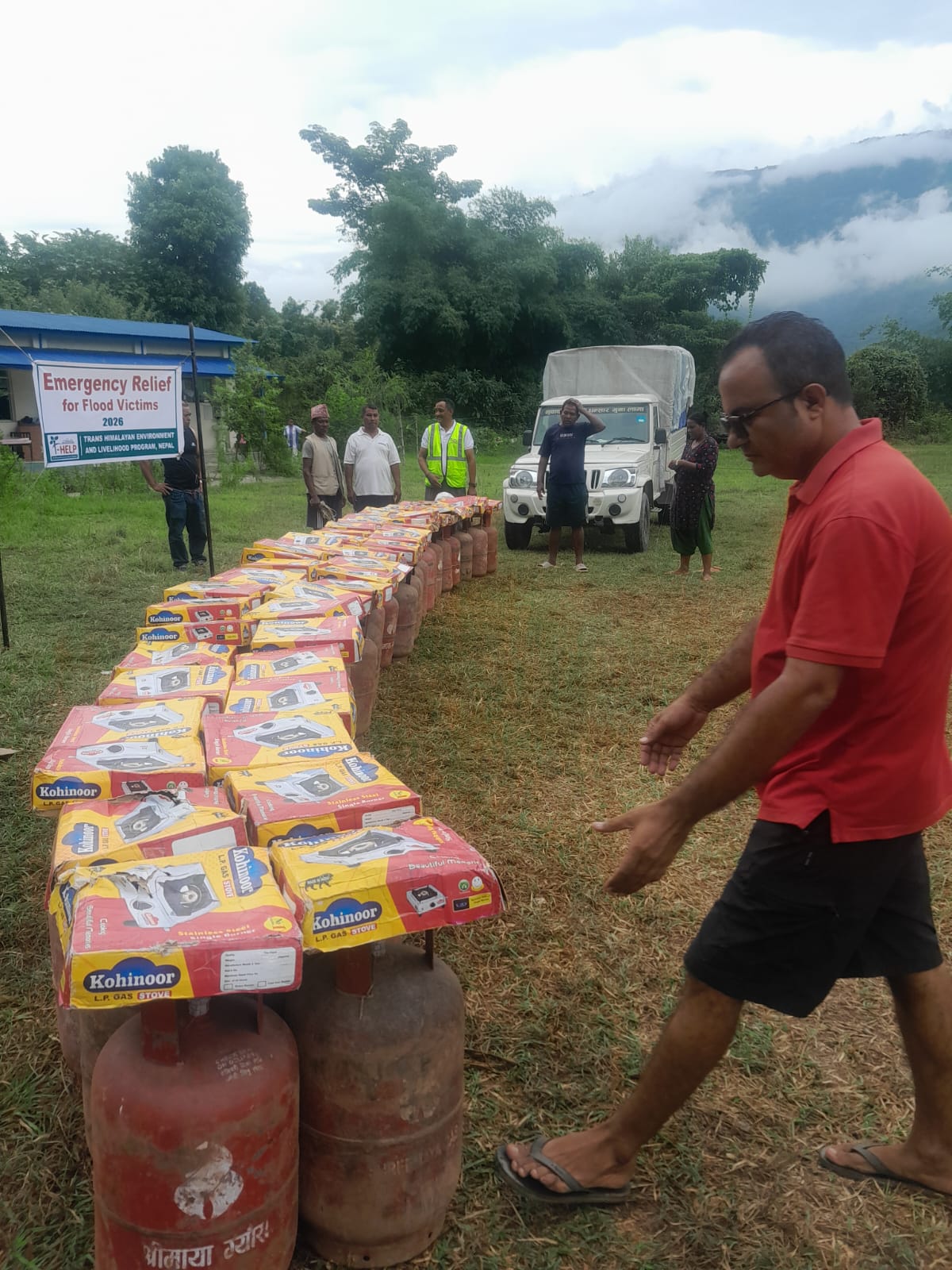
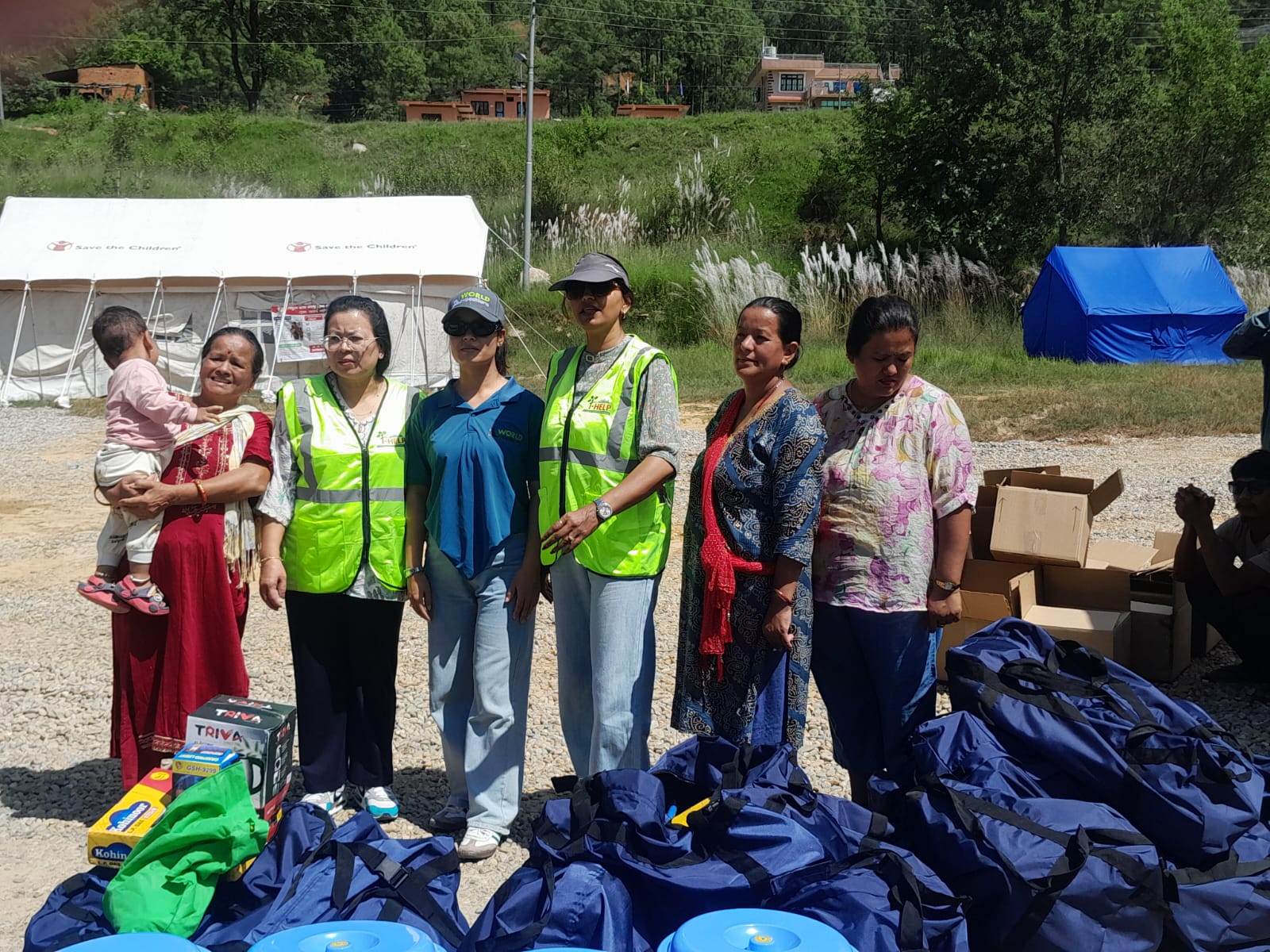
As part of Phase One, essential relief supplies were distributed to 100 displaced families. Each family received:
- Gas stove with regulator for safe cooking.
- Gas bullet cylinders (shared distribution) to support cooking fuel needs.
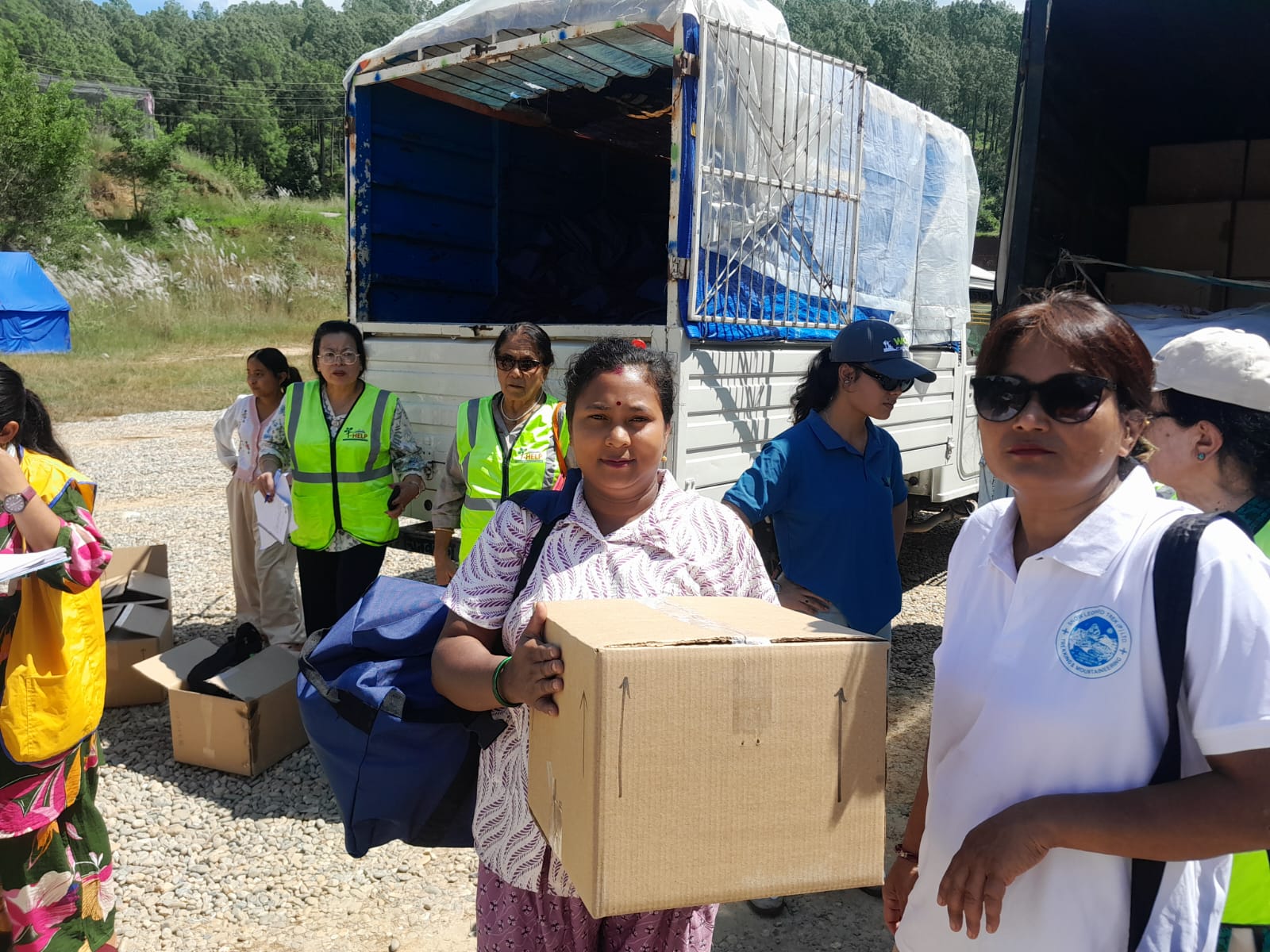
- Duffel bag for storing clothing and personal belongings during relocation.
- Water filtration unit for safe drinking water.
- Electric jug for boiling water and preparing hot beverages.
- Hygiene and First Aid kit containing essential medical and personal care supplies.
In addition, 60 rechargeable multifunctional emergency lights were distributed to households requiring lighting support in temporary shelters.
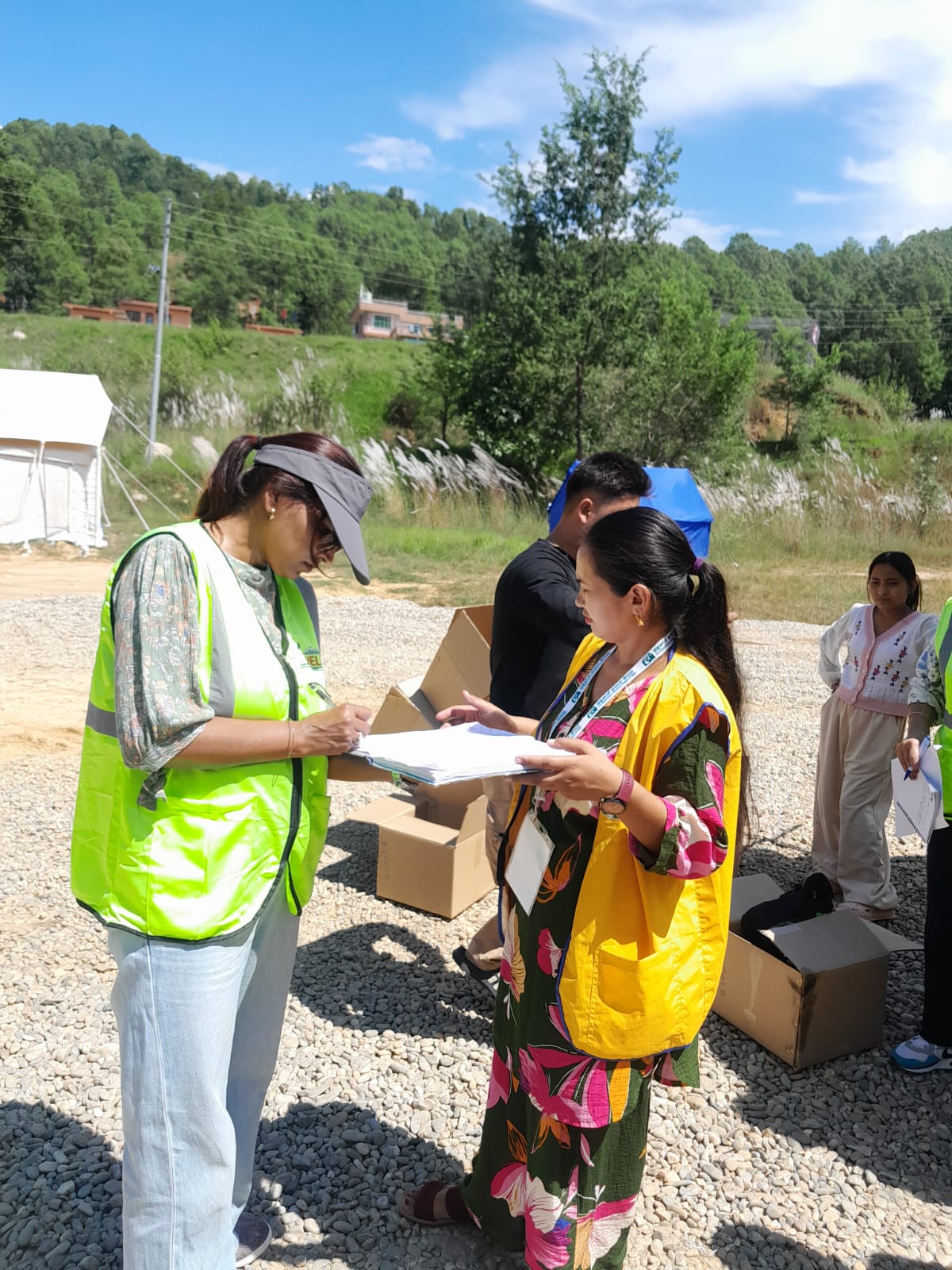
During the distribution process, local authorities provided a verified list of families and individuals most in need of assistance. Some beneficiaries were still residing in temporary shelters managed by the municipality.
Relief distribution took place at three separate locations. Local officials called out names from the approved beneficiary list, and our team personally handed over the assistance packages. This process helped ensure transparency, fairness, and accountability while ensuring support reached those most affected.
Additional Support Underway
Many families also requested folding beds; however, these were not available on the local market at the time of distribution.
With additional funding support now secured, we are in the process of procuring and transporting 100 locally produced lightweight wooden beds as a practical alternative. These beds will be delivered and distributed in the coming days.
Phase Two: Focused Assistance
Our team continues to meet regularly to assess needs and identify the most effective interventions for the next stage of support.
Subject to road accessibility and available resources, assistance may be expanded to additional affected villages. Particular attention will be given to families with children, elderly family members, and vulnerable individuals.
Potential interventions include:
- Expanding access to clean drinking water through additional water filters and safe water storage solutions.
- Establishing solar charging stations to improve access to clean energy.
- Promoting energy-efficient cooking methods to reduce dependence on scarce fuel supplies.
- Providing essential household items needed as families transition from temporary shelters.
- Training families in quick-growing vegetable cultivation to improve household nutrition.
- Introducing vermicomposting techniques to improve soil health and crop productivity.
- Promoting fuel-efficient "Rikets" stoves and briquette production to reduce reliance on gas and firewood.
Phase Three: Rehabilitation & Reconstruction
The third phase represents our long-term commitment to supporting communities as they rebuild their lives and strengthen resilience against future disasters.
Planned initiatives may include:
Environmental Restoration
- Reforestation initiatives to restore degraded landscapes and reduce future environmental risks.
- Community-based conservation activities to support ecosystem recovery.
Livelihood Recovery
- Income-generation programs and skills development opportunities.
- Support for sustainable agriculture and local enterprise development.
Community Infrastructure
- Rebuilding and improving education, health, and WASH (Water, Sanitation and Hygiene) infrastructure.
- Community resilience and disaster preparedness projects.
- Health camps organized in cooperation with visiting medical professionals and international volunteers.
🌱 Our Commitment
Snow Leopard Trek stands for more than adventure travel. Through responsible tourism, environmental stewardship, and community engagement, we strive to create meaningful and lasting positive impacts in the regions where we operate.
This initiative reflects our commitment to supporting local communities, protecting nature, and helping vulnerable families rebuild their lives with dignity and resilience.
In the future, we also hope to organize educational visits and community-based tours for supporters and partners, enabling them to see firsthand the progress made and the communities they have helped support.
We remain deeply grateful for the ongoing support of our friends, partners, and well-wishers both in Nepal and abroad. The progress achieved so far has only been possible because of your generosity and trust.
As we move forward into Phases Two and Three, we remain committed to transparency, accountability, and delivering meaningful assistance to the families most affected by the devastating floods. We will continue to share updates as we work together to rebuild lives, restore communities, and support long-term environmental recovery through reforestation and sustainable development initiatives.
Together, we can help rebuild hope, restore dignity, and create a more resilient future for the people of Rasuwa.